Claus Kleber, a name that resonates with reliability and insight in the world of news, has shaped how Germans understand global events for decades. As a former lawyer turned celebrated journalist, he’s not just reported the news; he’s made it accessible and engaging for millions. In this article, we’ll dive deep into his life, exploring how a young man from Reutlingen became one of Germany’s most trusted voices on television. Whether you’re curious about his early days or his impactful documentaries, there’s plenty to uncover about claus kleber that highlights his dedication to truth and storytelling. Let’s get started on this journey through his remarkable career.
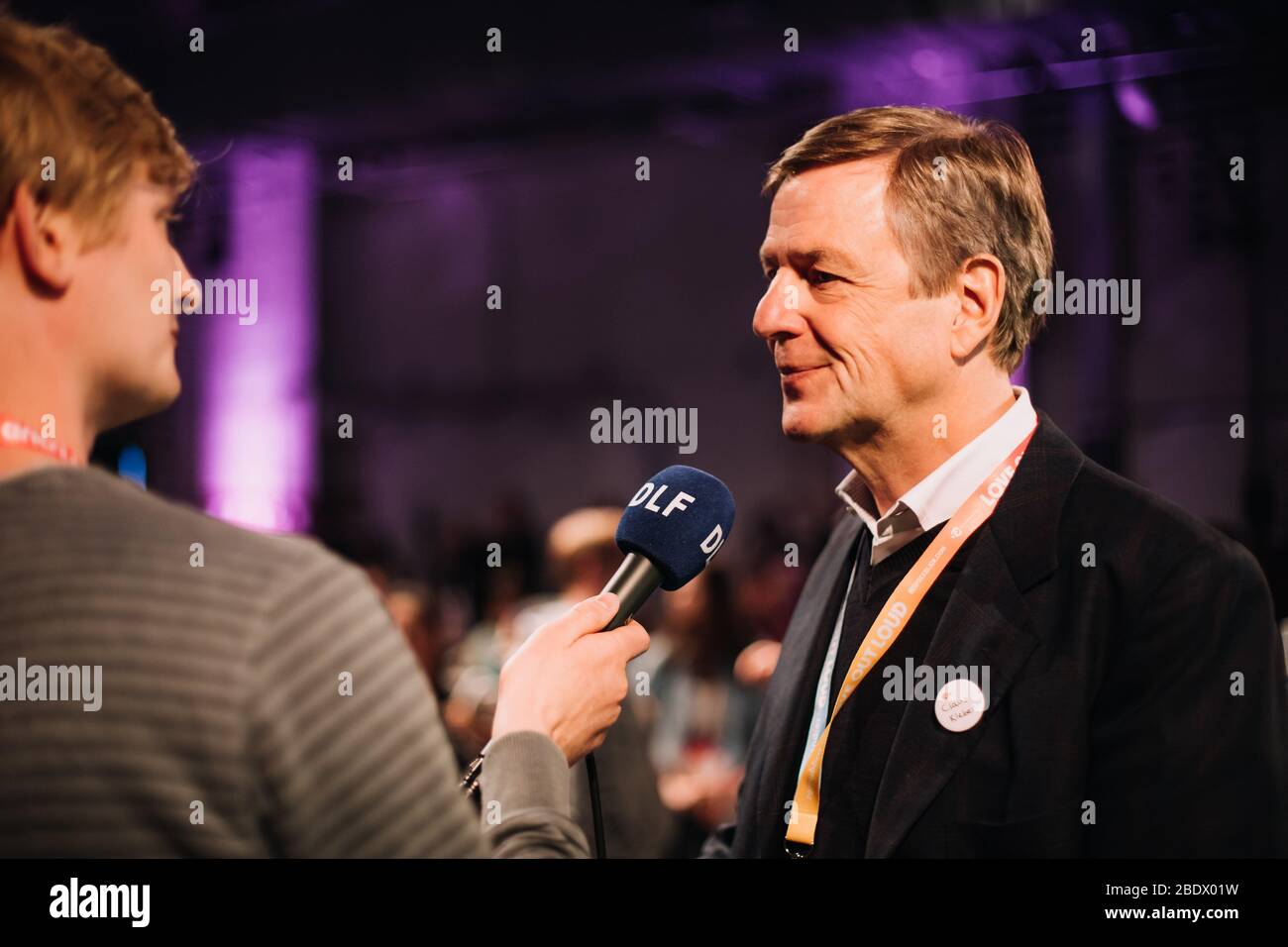
Early Life of Claus Kleber
Born on September 2, 1955, in the charming town of Reutlingen in Baden-Württemberg, Germany, claus kleber grew up in a time when the country was rebuilding after World War II. Back then, West Germany was buzzing with change, and young Claus was right in the middle of it. His full name is Claus-Detlev Walter Kleber, but most people know him simply as Claus. From a young age, he showed a keen interest in the world around him, perhaps influenced by the dynamic post-war era.
Growing up in a family that valued education, Claus attended school in Bensberg near Cologne, where he completed his Abitur in 1974. This high school diploma opened doors for him, and he didn’t waste any time. He headed to the University of Tübingen to study law, a field that promised stability and intellectual challenge. During his student years, from 1974 to 1980, he wasn’t just hitting the books; he dipped his toes into journalism as a freelance reporter for Südwestfunk, a regional broadcaster. It’s like he had a sixth sense that his true calling might lie beyond the courtroom.
Life in those days wasn’t all smooth sailing. Germany was divided, and the Cold War cast a long shadow. But Claus’s optimistic outlook shone through. He embraced opportunities, like a DAAD scholarship in 1984 that took him to the United States for research. This trip wasn’t just academic; it sparked a lifelong fascination with America, which would later define much of his career. Imagine a young German scholar wandering the streets of Washington, D.C., absorbing the energy of a superpower – that’s where the seeds of his journalistic prowess were planted.
In his early twenties, Claus balanced studies with real-world experiences. He passed his first state law exam and even worked as a lawyer in Stuttgart briefly. But deep down, he knew law wasn’t his endgame. His experiences abroad and freelance gigs showed him that informing the public could make a real difference. Claus Kleber’s early life teaches us that sometimes, the path to success involves a bit of trial and error, but with persistence, great things follow.
Transition from Law to Journalism
Claus Kleber’s shift from law to journalism feels like a plot twist in a gripping novel. After earning his law degree and even completing a PhD in 1986 on “Private Broadcasting – Legal Aspects,” he could have settled into a comfortable legal career. But fate had other plans. In January 1985, he took a bold step by becoming the studio manager for Südwestfunk in Konstanz. It was a leap of faith, trading courtroom arguments for microphone debates.
Why the change? Well, Claus had always been drawn to storytelling. During his studies, freelancing for radio gave him a taste of the thrill. By 1986, he was off to Washington as a radio correspondent for SWF and Deutschlandfunk. This role thrust him into the heart of American politics, where he covered everything from presidential elections to international relations. It’s no wonder he thrived; his legal background helped him dissect complex issues with precision.
This transition wasn’t without challenges. Moving to a new country, learning the ropes of broadcast journalism – it tested his mettle. But Claus Kleber rose to the occasion, proving that expertise in one field can fuel success in another. His optimistic spirit kept him going, turning potential setbacks into stepping stones. Today, we see how this pivot enriched German media, bringing fresh perspectives to audiences back home.
Claus Kleber as a Foreign Correspondent
Ah, the life of a correspondent – jet-setting, chasing stories, and witnessing history unfold. For claus kleber, this phase was golden. From 1986 to 1989, he reported from Washington, capturing the essence of Reagan’s America. Then, in 1989, he became chief editor at RIAS Berlin, just in time for the Berlin Wall’s fall. Talk about being in the right place at the right time! His on-the-ground reports brought the crumbling Soviet Empire to German listeners, making abstract events feel personal.
By 1990, he was back in Washington for NDR and WDR, and in 1992, he joined ARD as a TV correspondent. He climbed the ranks to head the ARD Washington studio in 1997. During these years, Claus interviewed heavyweights like George H.W. Bush, Bill Clinton, and George W. Bush. His reports from all 50 U.S. states painted a vivid picture of American diversity, from bustling New York to serene Midwest farms.
In 2002, he shifted to London as ARD studio head, broadening his European insights. These experiences honed his skills, making him a go-to expert on transatlantic relations. Claus Kleber’s correspondent days weren’t just about facts; they were about connecting cultures, fostering understanding in a divided world. His work reminds us that journalism can bridge gaps, one story at a time.
Anchoring the Heute-Journal
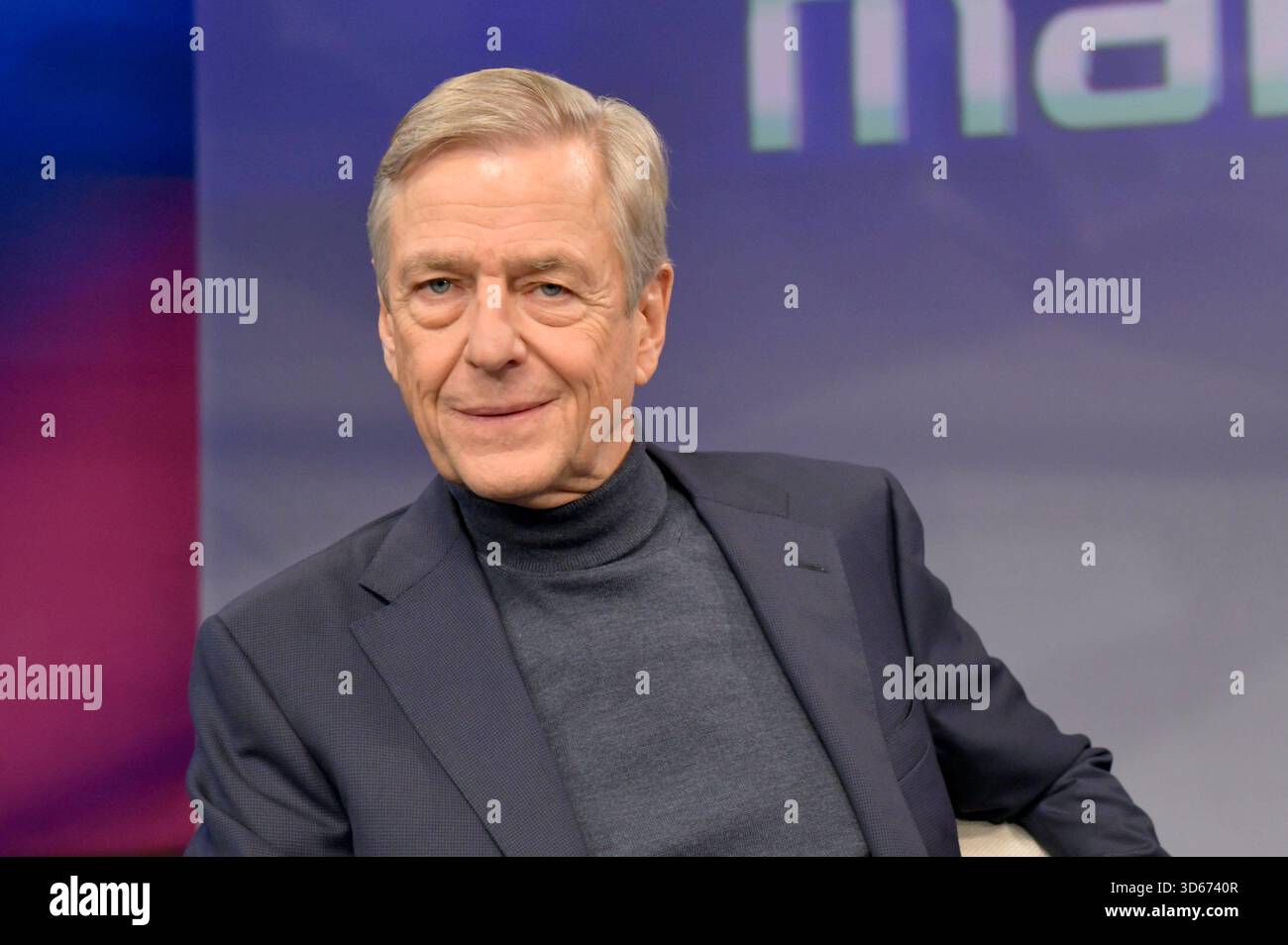
When claus kleber took the helm of ZDF’s heute-journal in 2003, it was like handing the reins to a seasoned captain. This evening news program, one of Germany’s top-rated shows, became his platform for nearly two decades until his retirement in 2021. As anchor and managing editor until 2009, he transformed it into a must-watch, blending hard news with thoughtful analysis.
Viewers tuned in nightly to see Claus deliver stories with clarity and poise. Whether covering elections, natural disasters, or global conflicts, he made complex topics digestible. His partnership with co-anchor Marietta Slomka added dynamism, earning them accolades for evolving TV news. In an era of fake news, Claus’s commitment to accuracy built trust, proving that good journalism uplifts society.
Retiring after over 3,000 broadcasts, he left a legacy of excellence. But don’t think he’s done; he continues with documentaries and speaking engagements. Claus Kleber’s time on heute-journal shows how one person’s dedication can inspire a nation to stay informed and hopeful.
Notable Interviews and Major Coverages
Claus Kleber has a knack for landing big interviews, doesn’t he? Over the years, he’s chatted with four of the last five U.S. presidents, including a 30-minute sit-down with Barack Obama. These conversations weren’t fluff; they delved into policies, shedding light on U.S.-German ties. His questions were sharp yet respectful, drawing out insights that informed viewers.
Beyond presidents, he covered pivotal events like the 9/11 attacks, the Iraq War, and the 2008 financial crisis. As a correspondent, he reported from ground zero, bringing raw emotions to screens. In Berlin, his Wall coverage captured joy and uncertainty. More recently, his zoom talks on U.S. experiences highlighted his enduring expertise.
These moments aren’t just highlights; they’re lessons in resilience. Claus Kleber’s optimistic tone in reporting tough stories encouraged audiences to look forward, believing in better tomorrows.
Awards and Recognitions for Claus Kleber
Success in journalism often comes with shiny trophies, and claus kleber has a shelf full. Starting with the Media Prize from the Johanna Quandt Foundation in 1998 for economic reporting, his accolades piled up. He snagged RIAS Berlin TV prizes in 1997, 1999, and 2003, recognizing his transatlantic coverage.
The Deutscher Fernsehpreis, Germany’s Emmy equivalent, came his way in 2005, 2006, and 2013 for heute-journal as best news program. In 2009, he and Marietta Slomka won the Grimme Prize for TV evolution. The Hanns-Joachim-Friedrichs Award in 2010 honored his outstanding journalism. Documentaries like “The Bomb” (2009) and “HUNGER! DURST!” (2015) earned more nods, including the Bayerischer Fernsehpreis.
These awards aren’t mere pats on the back; they affirm his authority and trustworthiness. Claus Kleber’s recognitions inspire upcoming journalists, showing that hard work and integrity pay off.
Here’s a table summarizing some key awards:
| Award | Year | Category |
|---|---|---|
| Johanna Quandt Foundation Media Prize | 1998 | Excellence in Economic Reporting |
| RIAS Berlin TV Prize | 1997, 1999, 2003 | Transatlantic Reporting |
| Deutscher Fernsehpreis | 2005, 2006, 2013 | Best News Program (heute-journal) |
| Grimme Prize | 2009 | Evolution of Television |
| Hanns-Joachim-Friedrichs Award | 2010 | Outstanding Journalism |
| Bayerischer Fernsehpreis | 2015 | Documentary “HUNGER! DURST!” |
Books and Documentaries by Claus Kleber
Claus Kleber isn’t confined to TV; he’s a wordsmith too. His 2005 bestseller “Amerikas Kreuzzüge” (America’s Crusades) explored U.S. foreign policy post-9/11, becoming a hit for its balanced view. It showcased his deep U.S. knowledge, earned from years abroad.
Teaming with Angela Andersen, he produced documentaries on global challenges. “The Bomb” in 2009 examined nuclear threats, winning awards. “HUNGER! DURST!” (2015) tackled food and water scarcity, highlighting human rights. These films aren’t doom and gloom; they spotlight solutions, fostering optimism.
His works extend his reach, educating beyond broadcasts. Claus Kleber’s books and docs prove journalism can drive change, one narrative at a time.
Personal Life and Interests
Behind the camera, claus kleber leads a grounded life. Married with two children, he resides in Wiesbaden, balancing family with career. His unusual laughter, noted in bios, adds a quirky charm.
Interests include global affairs, but he enjoys simpler things too. His U.S. stays deepened his appreciation for cultures, influencing his worldview. Post-retirement, he speaks at events, sharing wisdom.
Claus’s personal story underscores work-life balance, reminding us that even icons need downtime.
Legacy of Claus Kleber in Media
Claus Kleber’s impact on German media is profound. Over 35 years, he’s set standards for integrity and depth. From law to anchoring, his journey inspires career changers. His U.S. expertise strengthened transatlantic understanding.
In a fast-paced news world, he championed facts over sensationalism. His optimistic reporting encouraged viewers during crises. As a mentor, he’s shaped young journalists.
Looking ahead, Claus Kleber’s legacy endures, proving trustworthy voices matter.
Fazit
In wrapping up, claus kleber stands as a beacon in journalism, blending expertise with optimism. His path from Reutlingen to global stages shows what’s possible with passion. Whether through interviews, awards, or docs, he’s enriched our understanding. As we reflect on his contributions, it’s clear claus kleber will continue inspiring, ensuring a brighter future for media.
FAQs
Wer ist Claus Kleber? Claus Kleber ist ein deutscher Journalist und ehemaliger Anwalt, bekannt als Moderator des ZDF-heute-journals von 2003 bis 2021.
Was hat Claus Kleber studiert? Er hat Jura an der Universität Tübingen studiert und 1986 promoviert.
Welche Preise hat Claus Kleber gewonnen? Unter anderem den Deutschen Fernsehpreis, den Grimme-Preis und den Hanns-Joachim-Friedrichs-Preis.
Hat Claus Kleber Bücher geschrieben? Ja, sein Bestseller “Amerikas Kreuzzüge” aus 2005 behandelt US-Außenpolitik.
Was macht Claus Kleber heute? Nach seiner Pensionierung produziert er Dokumentationen und hält Vorträge zu internationalen Themen.