Marne, that enchanting department nestled in northeastern France, beckons with its rolling vineyards, historic battlefields, and sparkling rivers. If you’ve ever dreamed of sipping champagne right where it’s born or wandering through landscapes that whisper tales of heroism, marne offers all that and more. As we delve into this vibrant region, you’ll see why marne stands as a symbol of resilience and joy, blending nature’s bounty with human ingenuity. It’s a place where the past inspires a bright future, and every corner holds a story waiting to unfold.
The Allure of Marne’s Landscape
Picture this: vast plains stretching under a clear blue sky, dotted with lush forests and gentle hills. Marne, part of the Grand Est region, covers about 8,162 square kilometers, making it one of France’s larger departments. Its geography is a delightful mix that keeps things exciting— from the chalky soils perfect for grapevines to the serene waterways that carve through the land. Oh, and let’s not forget the marne river itself, which we’ll chat about soon; it’s like the region’s beating heart, nourishing everything around it.
What makes marne’s landscape so special? Well, it’s got this optimistic vibe, you know? The fertile valleys promise abundant harvests, and the moderate climate—with mild summers and crisp winters—ensures that outdoor adventures are always on the table. Whether you’re hiking through the Argonne Forest or picnicking by a lake, marne invites you to connect with nature in ways that refresh the soul. And hey, with ongoing conservation efforts, this beauty is set to shine even brighter in the years ahead.
- Diverse Terrains: From flat farmlands in the west to wooded hills in the east, marne offers variety for every explorer.
- Natural Reserves: Areas like the Parc Naturel Régional de la Montagne de Reims protect wildlife and provide peaceful retreats.
- Climate Perks: Expect around 1,800 hours of sunshine yearly, ideal for outdoor activities and agriculture.
Marne River: The Flowing Soul of the Region
Ah, the marne river—flowing gracefully for 514 kilometers, it’s not just a waterway but a lifeline that defines marne. Starting from the Langres plateau in Haute-Marne, it winds northwest, joining the Seine near Paris. Imagine cruising along its banks, watching reflections dance on the water; that’s the kind of magic marne delivers.
Historically, the marne river has been a hub of activity. Back in ancient times, the Gauls revered it as linked to the goddess Dea Matrona, a nurturing figure. Fast forward to the 19th century, and canalization turned it into a vital trade route, connecting to rivers like the Rhine and Saône. Today, it’s navigable up to Épernay, supporting tourism and ecology. With an average discharge of 100 cubic meters per second, it sustains diverse ecosystems, from fish species to bird habitats.
But here’s the optimistic twist: modern management, like the Lake Der-Chantecoq reservoir, prevents floods and aids during droughts, ensuring marne remains a reliable friend to locals. Tributaries such as the Ourcq and Grand Morin add to its charm, creating scenic spots for boating or fishing. In marne, the river isn’t just geography; it’s a symbol of enduring vitality.
Echoes of History in Marne
Marne’s history reads like an epic novel, full of twists and triumphs. From Roman settlements to medieval castles, the department has seen it all. Did you know marne was named after the river, and its roots trace back to prehistoric times? Archaeological finds, like ancient tools in the valleys, hint at early human life here.
The Middle Ages brought prosperity through agriculture and trade, with towns like Châlons-en-Champagne becoming key centers. But marne truly stepped into the spotlight during the French Revolution, when it was officially formed in 1790. Fast forward to the 19th century, and industrialization began, though farming stayed king. What’s inspiring is how marne has bounced back from challenges, emerging stronger each time—like a phoenix from the ashes.
Today, historical sites dot the landscape, inviting visitors to step back in time. Museums and preserved ruins showcase artifacts that tell stories of innovation and community spirit. In marne, history isn’t dusty; it’s alive and kicking, fueling a sense of pride and optimism for what’s next.
The Legendary Battles of the Marne
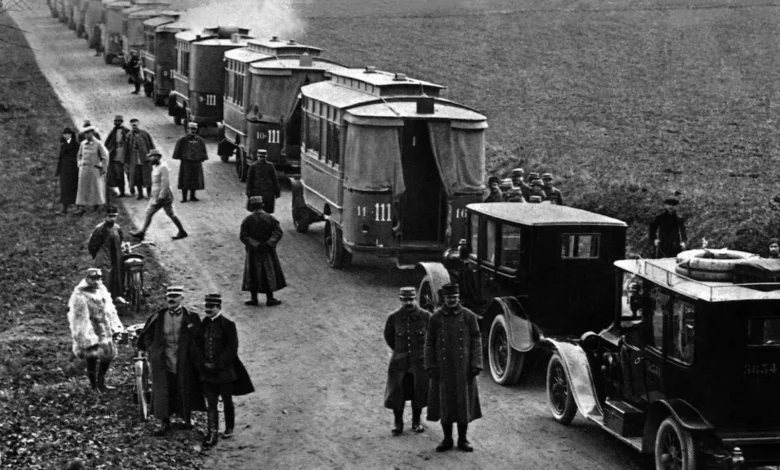
If there’s one chapter in marne’s story that grips the imagination, it’s the Battles of the Marne during World War I. The First Battle of the Marne in September 1914 was a game-changer, folks. German forces, pushing toward Paris under the Schlieffen Plan, were halted right here in marne by French and British troops. Led by General Joseph Joffre, the Allies exploited a gap in German lines, spotted from the air—talk about early tech in action!
This “Miracle on the Marne” saved Paris and shifted the war from quick conquest to stalemate, leading to trench warfare. Casualties were high—around 250,000 French, 13,000 British, and 300,000 Germans—but it marked a turning point, preventing a swift German victory. Then came the Second Battle in July 1918, the last big German offensive, crushed by Allied forces, paving the way for armistice.
These events in marne aren’t just somber reminders; they’re tales of heroism that inspire unity. Memorials and battlefields today serve as peaceful sites for reflection, showing how adversity breeds resilience. Marne’s role in history underscores its enduring strength, a beacon of hope in turbulent times.
Thriving Economy in Marne
Marne’s economy bubbles with potential, much like its famous champagnes. Agriculture dominates, with those chalky soils nurturing world-class vineyards. But it’s not all grapes; cereals, sugar beets, and livestock thrive here too. The department’s GDP reflects a healthy mix, supported by industry in cities like Reims, where textiles, chemicals, and food processing hum along.
Tourism adds sparkle, drawing millions to champagne tours and historic sites. With proximity to Paris, marne benefits from easy access, boosting trade and investment. Unemployment rates are low compared to national averages, thanks to diverse opportunities. And get this: sustainable practices are on the rise, with eco-friendly farming and green tech initiatives promising a brighter economic future.
Here’s a quick table highlighting key economic sectors in marne:
| Sector | Contribution | Notable Features |
|---|---|---|
| Agriculture | High | Champagne production, grain farming |
| Industry | Medium | Metalworking, chemicals |
| Tourism | Growing | Wine tours, historical attractions |
| Services | Significant | Retail, education, healthcare |
In marne, the economy isn’t stagnant; it’s evolving, embracing innovation while honoring traditions—truly a model for optimistic growth.
Champagne: The Sparkling Pride of Marne
No talk of marne is complete without toasting to champagne. This department is the heart of the Champagne region, where Pinot Noir, Chardonnay, and Meunier grapes flourish in the unique terroir. Épernay and Reims are hubs, with miles of underground cellars storing millions of bottles. The process, from harvest to fermentation, is an art passed down generations.
What’s optimistic here? Champagne production supports thousands of jobs and exports worldwide, symbolizing luxury and celebration. UNESCO even recognized the Champagne hillsides as a World Heritage site in 2015. Family-run wineries innovate with organic methods, ensuring sustainability. Visiting marne means tasting this effervescence firsthand—tours, tastings, and festivals like the Habits de Lumière light up the scene.
- Grape Varieties: Primarily three types, each adding unique flavors.
- Production Steps: Harvesting by hand, pressing, fermenting—it’s meticulous!
- Economic Impact: Generates billions in revenue, boosting local pride.
Marne’s champagne isn’t just a drink; it’s a lifestyle, radiating joy and sophistication.
Tourism Adventures in Marne
Ready for a getaway? Marne rolls out the red carpet for tourists, blending relaxation with excitement. From champagne trails to river cruises, there’s something for everyone. Top spots include the Cathedral of Notre-Dame in Reims, a Gothic masterpiece, and the Veuve Clicquot cellars for bubbly insights.
Nature lovers adore the Montagne de Reims Regional Park, with hiking paths offering panoramic views. Boat rides on the marne river reveal hidden gems, like quaint villages. Festivals abound—think music in Châlons or wine fetes in Épernay. Accommodations range from cozy B&Bs to luxury hotels, all with that warm French hospitality.
Optimistically, tourism in marne is booming, with eco-tourism on the rise. Guided tours highlight sustainable practices, ensuring the region’s charm lasts. Whether you’re a history buff or a foodie, marne delivers memorable experiences that leave you smiling.
- Must-See Attractions: Reims Cathedral, Épernay Avenue de Champagne.
- Activities: Wine tastings, cycling tours, hot-air balloon rides.
- Best Time to Visit: Spring for blooms or autumn for harvest vibes.
Cultural Tapestry of Marne
Marne’s culture weaves a rich fabric of traditions, arts, and community spirit. Influenced by its history, locals celebrate with fairs and markets showcasing artisanal crafts. Music and theater thrive in venues like the Reims Opera House, while folklore dances add flair to festivals.
Cuisine shines with champagne-paired dishes—try escargots or andouillette for authentic flavors. Artisans in pottery and glasswork keep heritage alive, often in family workshops. Educationally, marne boasts strong schools and universities, fostering creativity.
The optimistic side? Cultural exchanges with neighboring regions enrich marne, promoting diversity. Events like the Joan of Arc Festival in Reims honor heroes, inspiring younger generations. In marne, culture isn’t preserved in museums alone; it’s lived daily, creating a vibrant, welcoming atmosphere.
Notable Cities and Towns in Marne
Marne’s urban gems each have their own personality. Châlons-en-Champagne, the prefecture, charms with canals and gardens—it’s like a mini Venice. Reims, the “City of Kings,” boasts coronation history and bubbly fame. Épernay, dubbed the “Capital of Champagne,” underground cellars are a must-explore.
Smaller towns like Sézanne offer peaceful retreats with markets and historic churches. Vitry-le-François, rebuilt after WWII, exemplifies resilience. These places connect via efficient transport, making day trips easy.
What’s uplifting? Urban renewal projects enhance livability, with green spaces and cultural hubs. In marne, cities aren’t just stops; they’re gateways to deeper connections.
Modern Innovations Shaping Marne
Looking ahead, marne embraces modernity with open arms. Tech startups in agro-innovation boost farming efficiency, like precision viticulture. Renewable energy, from solar farms to wind turbines, powers a sustainable future.
Education and research centers collaborate on projects, drawing young talent. High-speed rail links to Paris cut travel time, spurring business. Health initiatives promote wellness, with spas using local waters.
Optimistically, marne’s blend of tradition and tech positions it as a leader. Challenges like climate change are met with proactive measures, ensuring prosperity. Marne isn’t resting on laurels; it’s innovating for tomorrow.
Fazit
In wrapping up our journey through marne, it’s clear this department is more than a spot on the map—it’s a source of inspiration. From the flowing marne river to the effervescent champagnes, marne embodies resilience, beauty, and joy. As we’ve explored its landscapes, history, and vibrant economy, one thing stands out: marne’s future gleams with promise. Whether you’re planning a visit or just dreaming from afar, remember that marne welcomes all with open arms, ready to share its treasures. Here’s to marne, a place where every day feels like a celebration!
FAQs
- What is the best way to explore the marne river? Boat cruises from towns like Épernay offer scenic views and historical insights, making it a relaxing adventure.
- Why is marne famous for champagne? The unique soil and climate in marne create ideal conditions for growing the grapes used in authentic champagne production.
- Are there family-friendly activities in marne? Absolutely! Parks, zoos in Reims, and interactive wine tours (non-alcoholic options available) keep kids engaged and happy.
- How did the Battles of the Marne impact world history? They halted German advances in WWI, leading to a prolonged war but ultimately contributing to Allied victory and peace.
- What’s the ideal season to visit marne for tourism? Autumn during harvest time brings vibrant colors and festivals, though spring’s blooms are equally enchanting.