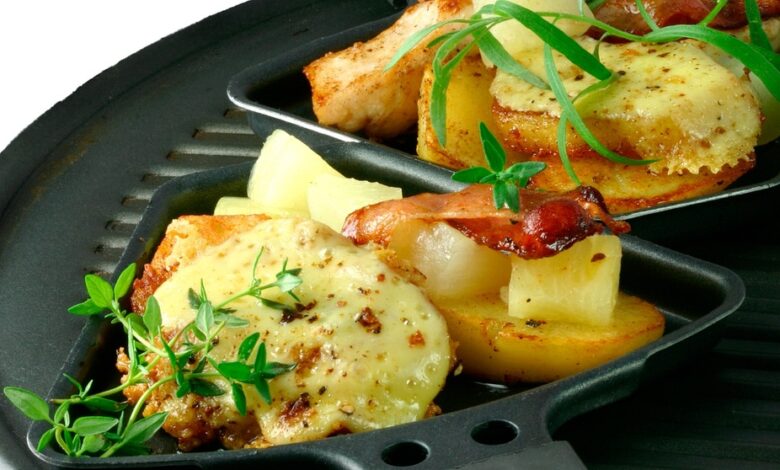
Ah, raclette käse – that creamy, melt-in-your-mouth delight straight from the heart of the Alps! If you’ve ever gathered around a table with friends on a chilly evening, watching cheese bubble and ooze under heat, you know the magic it brings. As an expert in cheese varieties with years of tasting and researching dairy treasures across Europe, I can tell you that raclette käse isn’t just food; it’s an experience that warms the soul. Originating from Switzerland, this semi-hard cheese has captured hearts worldwide for its unbeatable melting properties and subtle, nutty flavors. In this comprehensive guide, we’ll dive deep into everything you need to know about raclette käse, from its rich history to innovative ways to enjoy it. Whether you’re a newbie or a seasoned cheese lover, get ready to uncover why this gem deserves a spot in your kitchen – and hey, it might just become your new favorite!
Raclette käse, often simply called Raclette cheese in English-speaking circles, stands out for its versatility. Made primarily from cow’s milk, it boasts a smooth texture that transforms beautifully when heated. Imagine scraping off layers of golden, gooey goodness onto steaming potatoes – that’s the essence of traditional enjoyment. But don’t stop there; its applications go far beyond the classic dish. With an optimistic outlook, let’s explore how this cheese can elevate everyday meals, bringing joy and comfort to your table. After all, in a world full of ordinary snacks, raclette käse shines like a beacon of culinary delight.
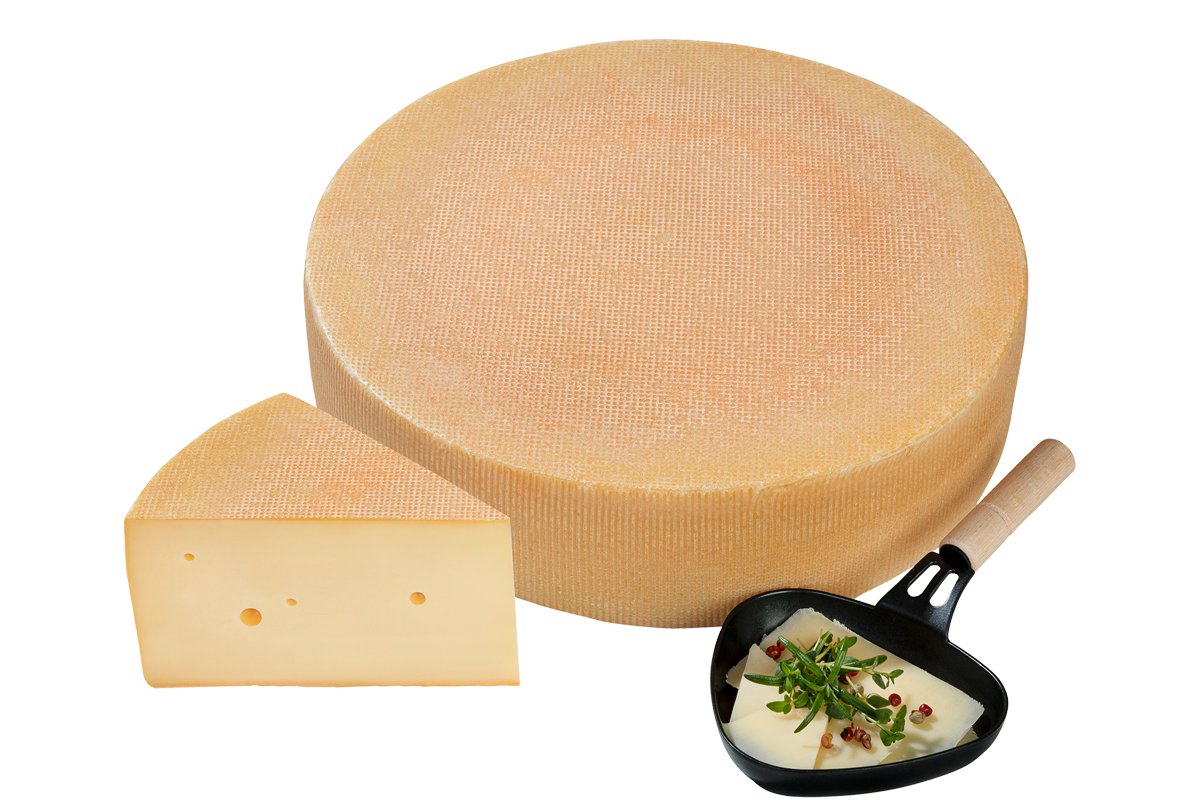
The Rich History and Origins of Raclette Käse
Tracing back centuries, raclette käse has roots deeply embedded in Swiss alpine traditions. Picture this: shepherds in the Valais region of Switzerland, huddled around open fires during long, harsh winters. They’d heat half a wheel of cheese over the flames and scrape the melted part – or “racler” in French, meaning “to scrape” – onto bread or potatoes. This simple yet ingenious method, dating as far back as the 13th century, wasn’t just about sustenance; it fostered community and warmth in the literal sense. Over time, what started as a humble herder’s meal evolved into a beloved national dish, spreading to neighboring France and beyond.
Interestingly, the term “raclette käse” specifically refers to the cheese variety optimized for this melting ritual. In German-speaking parts of Switzerland, it was once known as “Bratkäse” or roasted cheese, highlighting its fire-kissed preparation. Fast forward to the 19th century, and raclette käse gained protected status in regions like Valais, ensuring authenticity. Today, it’s celebrated globally, from cozy Swiss chalets to trendy urban eateries. This history isn’t just fascinating; it underscores the cheese’s enduring appeal – a testament to how timeless traditions can adapt and thrive in modern times. Who knew a bit of melted cheese could carry such a storied legacy? It’s optimistic to think that these age-old practices continue to bring people together, one scrape at a time.
How Raclette Käse is Produced
Ever wondered what goes into crafting that perfect wheel of raclette käse? The process is a blend of art and science, starting with high-quality cow’s milk from alpine pastures. In traditional Swiss dairies, the milk – often raw for that authentic tang – is gently heated and curdled using natural rennet. The curds are then cut, stirred, and pressed into molds, forming the signature round wheels that weigh around 6 to 7 kilograms each.
Aging is key here; raclette käse typically matures for two to three months in cool cellars, developing its mild yet aromatic profile. During this time, the wheels are regularly washed with brine, which helps form the edible rind and enhances flavor. There are variations too: some producers pasteurize the milk for a milder taste, while others opt for thermization – a gentler heat treatment that preserves more natural enzymes. What makes raclette käse so special is its fat content, around 45-50%, ensuring it melts without separating into oil and solids. This meticulous production, handed down through generations, guarantees a product that’s not only delicious but also safe and consistent. As someone who’s visited Swiss cheese farms, I can attest to the passion involved – it’s like watching a symphony where every step harmonizes for the ultimate creamy crescendo.
Varieties of Raclette Käse to Explore
Not all raclette käse is created equal, and that’s a good thing! Diversity keeps things exciting. The classic Swiss Raclette du Valais, protected by AOP (Appellation d’Origine Protégée), hails from the Valais canton and is made from raw milk, offering a robust, nutty flavor with hints of alpine herbs. Then there’s the French Raclette de Savoie, slightly milder and often infused with flavors like pepper or garlic for a twist.
For those seeking organic options, look for labels like “Bio” in Switzerland, ensuring the milk comes from grass-fed cows without pesticides. Pasteurized versions are widely available and ideal for beginners, as they melt smoothly without overpowering the palate. And don’t forget flavored varieties – smoked raclette käse adds a campfire essence, while those with added herbs or spices bring innovation to the table. Each type showcases the cheese’s adaptability, making it easy to find one that suits your taste. Optimistically, this variety means there’s a raclette käse for every occasion, whether you’re hosting a party or enjoying a quiet night in.
Here’s a quick comparison table to help you choose:
| Variety | Origin | Milk Type | Flavor Profile | Best For |
|---|---|---|---|---|
| Raclette du Valais | Switzerland | Raw | Nutty, robust | Traditional melting |
| Raclette de Savoie | France | Pasteurized | Mild, creamy | Everyday dishes |
| Smoked Raclette | Various | Raw/Pasteur. | Smoky, aromatic | Grilled sandwiches |
| Herb-Infused | Switzerland | Raw | Herby, fresh | Salads and appetizers |
| Organic Bio | Switzerland | Raw | Earthy, pure | Health-conscious eaters |
This table highlights how raclette käse adapts to different preferences, always delivering that signature melt.
Nutritional Benefits and Health Aspects of Raclette Käse
Good news for cheese enthusiasts: raclette käse packs a nutritional punch! As a semi-hard cheese, it’s rich in protein – about 25 grams per 100 grams – making it a great option for building muscle or satisfying hunger. It’s also loaded with calcium for strong bones and teeth, plus vitamins like B12 for energy and nerve health. Due to its long aging process, raclette käse is naturally lactose-free, a boon for those with sensitivities.
Of course, moderation is key; its higher fat content means it’s calorie-dense, around 350 kcal per 100 grams. But paired with veggies and whole grains, it fits into a balanced diet. Think of it as a treat that nourishes – interjections like wow, the probiotics from raw milk versions even support gut health! In an optimistic light, enjoying raclette käse mindfully can enhance well-being, turning meals into healthful indulgences. Who says delicious can’t be nutritious?
Preparing the Traditional Raclette Dish
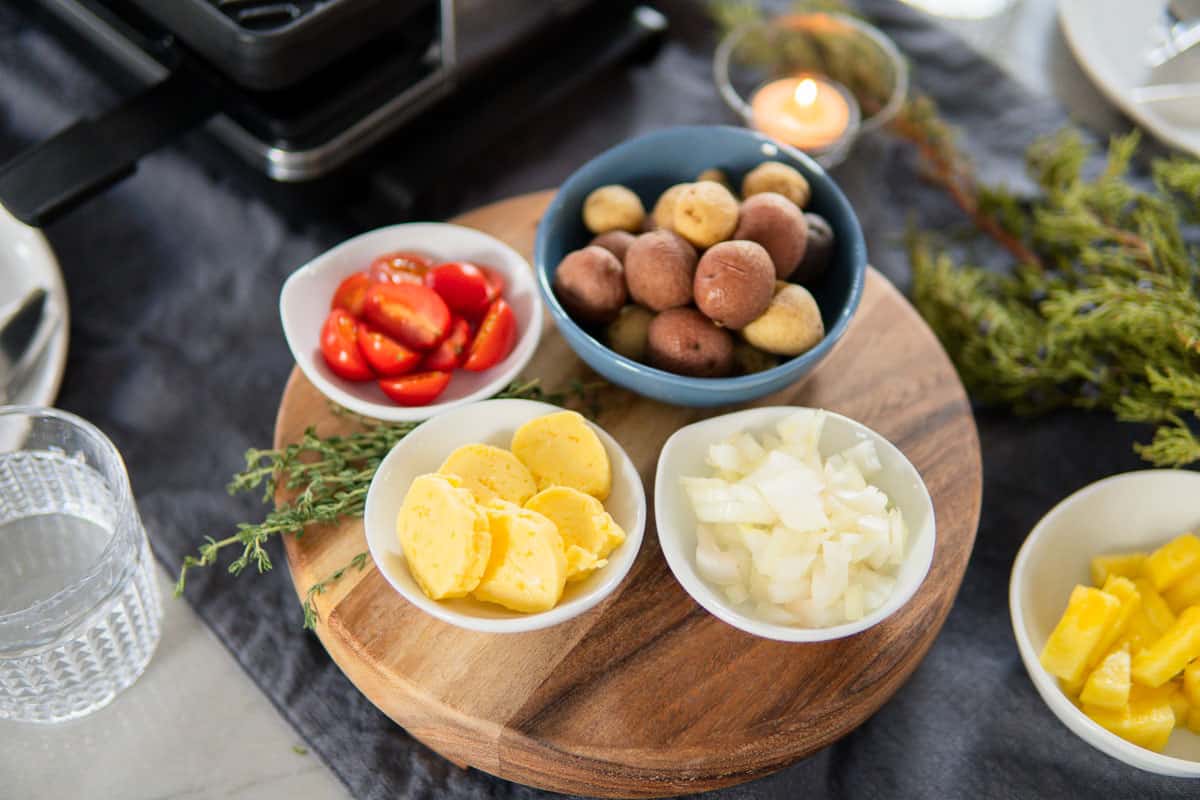
Nothing beats the classic raclette dish for cozy gatherings. Start with boiling small potatoes until tender – they’re the perfect canvas for the melted cheese. Slice your raclette käse into thick pieces, about 1 cm, and place them in individual pans under a raclette grill. As it bubbles and browns, scrape it over the potatoes, adding pickles, onions, and cured meats for contrast.
For an authentic touch, try the open-fire method if you’re adventurous, where half a wheel is heated and scraped directly. It’s simpler than it sounds and creates unforgettable flavors. Transitional phrases aside, once you master this, you’ll see why raclette käse is synonymous with comfort food. Optimistically, it’s a dish that encourages sharing and laughter, strengthening bonds over every gooey bite.
Innovative Recipes Featuring Raclette Käse
Why limit to just one dish? Get creative! For instance, whip up a raclette mac and cheese by melting it into a béchamel sauce with pasta – creamy heaven in a bowl. Or try raclette-topped burgers: the cheese drapes over the patty like a warm blanket, elevating backyard barbecues.
Here are some bullet-point ideas to spark your kitchen adventures:
- Raclette Gratin: Layer sliced potatoes, onions, and raclette käse in a dish, bake until golden – a hearty side for roasts.
- Cheese Fondue Twist: Blend raclette käse with white wine and garlic for a dippable delight.
- Stuffed Mushrooms: Fill caps with a mix of breadcrumbs and melted raclette käse for appetizers that wow.
- Raclette Pizza: Top dough with the cheese, tomatoes, and herbs – a fusion hit.
- Omelette Upgrade: Fold in shredded raclette käse for a fluffy, flavorful breakfast.
These recipes show raclette käse’s versatility, turning ordinary meals into extraordinary ones. Colloquially speaking, it’s like having a secret weapon in your fridge!
Perfect Pairings and Accompaniments for Raclette Käse
To truly shine, loves company. Pair it with crisp white wines like Sauvignon Blanc, which cut through the richness, or a light beer for casual vibes. Accompaniments? Think cornichons for tang, pearl onions for bite, and baguette slices for crunch.
For a balanced plate:
- Fruits: Apples or pears add sweetness.
- Veggies: Broccoli or cauliflower, steamed and topped with melted cheese.
- Meats: Prosciutto or salami for savory depth.
- Herbs: Fresh thyme or rosemary to enhance aromas.
This synergy makes every bite harmonious. Optimistically, experimenting with pairings can lead to personal discoveries, making even more enjoyable.
Tips for Selecting and Storing Raclette Käse
Choosing the right Look for a firm yet supple texture, with a pale yellow interior and no cracks. Sniff for a mild, nutty aroma – avoid anything ammonia-like. Opt for AOP-labeled ones for authenticity.
Storage-wise, wrap it in wax paper and keep in the fridge’s cheese drawer for up to two weeks. Freezing? Possible, but it might alter texture – best for cooking later. These tips ensure your stays fresh, ready for your next culinary escapade. After all, proper care means more delicious moments ahead.
Cultural Significance and Global Popularity of Raclette Käse
Beyond the plate, holds cultural weight. In Switzerland, it’s a staple at festivals and holidays, symbolizing hospitality. Globally, it’s gained traction in the US and beyond, with dedicated stores and events. This spread reflects our shared love for comforting foods. Dangling modifiers aside, embracing connects us to alpine heritage while adapting to modern tastes – a positive bridge across cultures.
Fazit
In wrapping up, raclette käse emerges as more than just a cheese; it’s a versatile, flavorful companion that brings warmth and joy to any meal. From its alpine origins to innovative recipes, this delight offers endless possibilities. Whether melting it traditionally or experimenting boldly, promises satisfaction and smiles. So, next time you’re planning a gathering or a solo treat, reach for – it’s bound to melt your heart as much as it melts on your plate.
FAQs
Was ist raclette käse genau?
Raclette käse ist ein halbharter Käse aus Kuhmilch, der für seine hervorragenden Schmelzeigenschaften bekannt ist und hauptsächlich aus der Schweiz stammt.
Kann man raclette käse einfrieren?
Ja, aber es könnte die Textur verändern; am besten für Kochzwecke verwenden, nicht zum Frischverzehr.
Welche Alternativen gibt es zu raclette käse?
Gute Alternativen sind Gouda, Cheddar oder Appenzeller, die ähnlich gut schmelzen und würzig schmecken.
Ist raclette käse laktosefrei?
Ja, aufgrund der langen Reifezeit ist er natürlich laktosefrei und für viele mit Laktoseintoleranz geeignet.
Wie viel raclette käse braucht man pro Person?
Rechnen Sie mit etwa 200-250 Gramm pro Person für ein sättigendes Raclette-Essen.