
Have you ever caught someone giving you a quick wink across the room, and it made you smile or wonder what they meant? That’s the essence of nazar marne, a term rooted in Urdu and Hindi that captures the art of casting a glance or winking in a way that’s full of meaning. In this article, we’ll dive deep into nazar marne, exploring its nuances, history, and why it’s more than just a simple eye movement. It’s a window into human connection, sometimes playful, sometimes protective, but always intriguing. As we journey through, you’ll see how can bring positivity and understanding to our daily interactions.
Understanding Nazar Marne
At its core, refers to the act of winking or directing a meaningful look at someone. Derived from Urdu, where “nazar” means sight or gaze, and “marna” implies hitting or casting, it’s like shooting an arrow with your eyes. This isn’t just any stare; it’s loaded with intention. For instance, in casual conversations, might signal agreement, like saying “I get you” without words. Oh, and let’s not forget its flirtatious side – a cheeky wink can light up a room!
But hey, isn’t limited to romance. In everyday life, it serves as a non-verbal cue. Think about a parent winking at a child to share a secret joke during a family gathering. It’s these small moments that make so relatable and human. Experts in linguistics point out that such gestures are universal, yet culturally flavored. In South Asia, where the term originates, it’s often used idiomatically to mean paying close attention or even contemplating deeply.
To break it down further:
- Literal meaning: To cast one’s gaze or wink.
- Figurative uses: Signaling, flirting, or observing intently.
- Common contexts: Social settings, movies, or even literature where characters use eye contact to convey emotions.
This versatility shows why nazar marne holds a special place in communication. It’s optimistic because it reminds us that sometimes, a simple glance can bridge gaps between people.
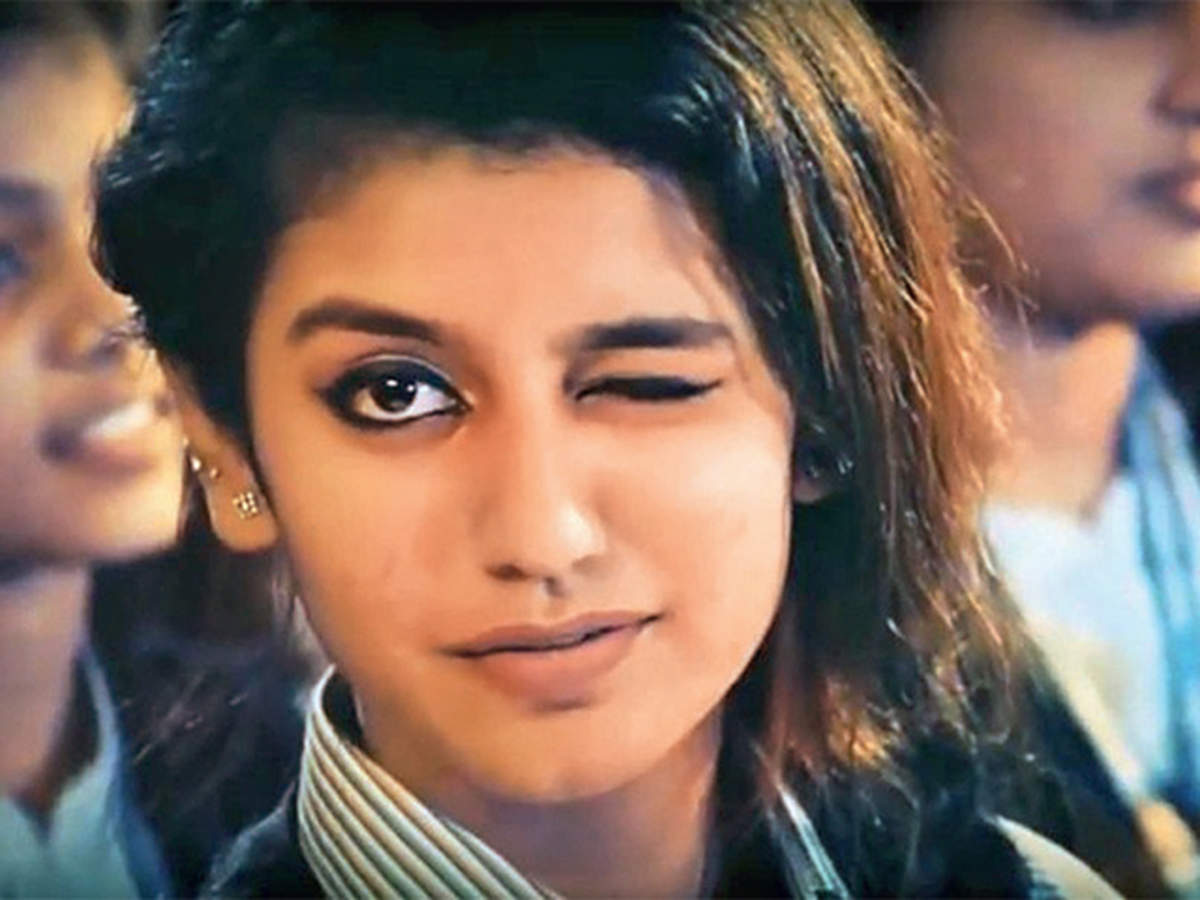
The Historical Roots of Nazar Marne
Tracing back, has ancient ties. In the rich tapestry of Indo-Persian languages, words like “nazar” have been around for centuries, influenced by Arabic and Persian invasions. Historians note that during the Mughal era, courtly manners included subtle eye gestures to convey messages without speaking, especially in royal assemblies where silence was golden.
Interestingly, similar concepts appear in other cultures. For example, in ancient Greece, a wink could mean conspiracy or affection. Fast forward to medieval India, and pops up in poetry by luminaries like Mirza Ghalib, who used eye imagery to express longing. It’s as if the eyes were the soul’s messengers, darting glances that carried unspoken words.
Over time, nazar marne evolved with society. In colonial times, it blended with Western influences, like the Victorian wink in literature. Today, it’s alive in Bollywood films, where a hero’s towards the heroine sparks the plot. This historical journey highlights how has adapted, always staying relevant and bringing a sense of continuity to our expressions.
Nazar Marne in South Asian Traditions
In the heart of South Asia, is woven into the fabric of daily traditions. From bustling markets in Lahore to vibrant streets in Mumbai, people use it to haggle, greet, or even ward off boredom. It’s colloquial, you know, like saying “got your back” with a quick eye flick.
Cultural festivals amplify this. During Eid or Diwali, family members exchange to share joy subtly. In weddings, the bride and groom might indulge in playful, symbolizing their budding romance. Anthropologists observe that in rural areas, it’s a tool for community bonding, where elders wink to approve of a young one’s achievement.
But there’s a twist: sometimes ties into superstitions. If someone casts a jealous glance, it might be seen as “nazar lagana,” a close cousin meaning to inflict the evil eye. Yet, in an optimistic light, understanding nazar marne helps us appreciate positive intentions behind gazes.
Here’s a table comparing in different South Asian regions:
| Region | Common Use of Nazar Marne | Example Scenario |
|---|---|---|
| Pakistan | Flirtatious signaling | Winking at a friend during a cricket match |
| India | Observant glancing | Casting a look to appreciate art in a gallery |
| Bangladesh | Contemplative winking | Sharing a secret during family tea time |
| Nepal | Playful gesturing | Winking to cheer up a child |
This shows the regional flavors, making nazar marne a unifying yet diverse practice.
The Psychology of Nazar Marne
Delving into the mind, is fascinating from a psychological standpoint. Psychologists say winking activates the brain’s mirror neurons, helping us empathize. It’s like a shortcut to connection – one wink, and you’re in sync!
Moreover, it boosts confidence. When you master, you feel empowered in social situations. Studies from universities like Harvard suggest that non-verbal cues like this enhance communication by up to 55%. Imagine that: your eyes doing most of the talking!
On the flip side, misinterpreting nazar marne can lead to awkwardness, but that’s where cultural awareness comes in. Optimistically, learning about it fosters better relationships. Therapists even recommend practicing positive to build rapport in therapy sessions.
- Benefits include increased empathy.
- It reduces misunderstandings when used right.
- Encourages mindfulness in interactions.
In essence, is a psychological gem, turning ordinary glances into meaningful exchanges.
Linking Nazar Marne to the Evil Eye Belief
Now, let’s connect the dots between and the evil eye, known as “nazar” in many cultures. While nazar marne is about casting a glance, the evil eye is the fear that a jealous look can bring harm. In Turkish and Arabic traditions, “nazar” directly means this protective concept against bad vibes.
Interestingly, in South Asia, a prolonged might be mistaken for envy, leading to phrases like “nazar na lage” – may no evil eye affect you. But here’s the optimistic spin: awareness of this link promotes positivity. People wear amulets to deflect negative, turning potential harm into protection.
Cultural experts explain that this belief dates back to ancient Mesopotamia, where eyes were seen as powerful. Today, it’s a reminder to cast kind glances. So, next time you, make it with good intentions!

Protecting Yourself from Negative Nazar Marne
Worried about the downside of Don’t be – there are cheerful ways to safeguard. Traditional remedies include wearing a black thread or reciting prayers, which many find comforting.
In modern terms, mindfulness helps. By focusing on positive energy, you can turn any glance your way into something harmless. Experts suggest:
- Surrounding yourself with supportive people.
- Using humor to deflect envy.
- Practicing gratitude to counter negativity.
Amulets like the blue nazar bead are popular globally, symbolizing protection. It’s empowering to know that with a bit of optimism, nazar marne becomes a force for good rather than ill.
The Positive Power of Nazar Marne
Shifting gears, let’s celebrate the upbeat side of nazar marne. It’s a tool for spreading joy! In friendships, a wink can say “you’re awesome” louder than words. In professional settings, it builds camaraderie, like winking at a colleague after a successful presentation.
Creatively, artists use nazar marne in performances to engage audiences. Dancers in Kathak, for example, incorporate eye expressions that mimic nazar marne, evoking emotions. This positive application shows how nazar marne enriches life, fostering connections and happiness.
Interjections like “wow!” often follow a well-timed nazar marne, highlighting its charm. Embracing it optimistically can make your world brighter.
Nazar Marne in Contemporary Media
In today’s world, nazar marne shines in media. Bollywood songs often feature heroes using nazar marne to woo, like in classics where a wink seals the deal. Social media amplifies this – think emojis winking back at you!
Influencers teach “how to nazar marne effectively” in videos, making it accessible. Even in global cinema, similar gestures appear, showing cross-cultural appeal. This modern take keeps nazar marne fresh and relevant, encouraging younger generations to use it positively.
Stories and Legends Surrounding Nazar Marne
Legends abound with nazar marne. One tale from folklore tells of a wise king who used a single wink to outsmart enemies, saving his kingdom. In modern anecdotes, people share how a timely nazar marne sparked lifelong friendships.
These stories inspire, showing nazar marne as a hero in disguise. Whether in epics or everyday tales, it reminds us of the power in our eyes. Sharing such narratives builds community and trust.
Fazit
In wrapping up, nazar marne is more than a gesture; it’s a cultural treasure that connects us. From its historical depths to modern applications, it offers ways to communicate with warmth and intention. By understanding and using nazar marne positively, we can enhance our interactions and ward off negativity. Remember, a kind glance can change someone’s day – so go ahead, embrace nazar marne with optimism!
FAQs
What does nazar marne exactly mean? Nazar marne means to wink or cast a meaningful glance, often used in Urdu and Hindi to signal or flirt subtly.
Is nazar marne related to the evil eye? Yes, while nazar marne is about glancing, it can link to the evil eye if the intent is jealous, but positively, it’s about good connections.
How can I use nazar marne in daily life? Try winking to show agreement or cheer someone up – it’s a fun, non-verbal way to bond.
Are there cultural differences in nazar marne? Absolutely, in South Asia it’s flirtatious, while in other places like the West, it might be more playful or conspiratorial.
Can nazar marne be misinterpreted? Sometimes, yes, but clear context and positive intent usually keep things smooth and optimistic.