When you think about the vibrant landscape of German politics, robert habeck alice weidel stand out as two dynamic figures who’ve captured the nation’s attention. These leaders, from contrasting parties, embody the diversity of ideas that drive Germany forward. Robert Habeck, with his thoughtful approach to climate and economy, and Alice Weidel, known for her sharp economic insights and nationalist stance, have sparked debates that inspire progress. It’s like watching a chess match where every move pushes the country toward better solutions. In this article, we’ll dive deep into their lives, careers, and visions, showing how their contributions foster a more resilient Germany. After all, in the grand scheme of things, their rivalry highlights the strength of democratic dialogue.
Early Beginnings: Roots That Built Resilience
Everyone’s story starts somewhere, and for robert habeck alice weidel, their early years laid the foundation for remarkable paths. Born in different eras and regions, they’ve both overcome challenges to become influential voices. Habeck, hailing from the northern city of Lübeck in 1969, grew up in a family that valued education and creativity. His parents, a pharmacist and a teacher, encouraged curiosity, which sparked his love for literature and philosophy. Weidel, on the other hand, entered the world in 1979 in Gütersloh, a quaint town in western Germany. Coming from a middle-class background, she was drawn to numbers and global affairs from a young age, setting her on a course toward economics.
These origins aren’t just backstory; they’re the bedrock of their optimism. Habeck’s northern upbringing instilled a sense of community and environmental stewardship, while Weidel’s western roots emphasized hard work and international perspectives. It’s fascinating how such varied starts lead to shared stages in Berlin. By exploring these, we see how personal histories fuel public service, reminding us that anyone can rise to make a difference.
Academic Pursuits: Forging Minds for Leadership
Education often acts as a springboard, and for robert habeck alice weidel, it was no different. Habeck pursued philosophy, German literature, and philology at universities in Freiburg, Roskilde in Denmark, and Hamburg. He earned a master’s in 1996 and a doctorate in 2000, delving into themes of identity and society. This intellectual rigor shaped his eloquent style, making him a master of nuanced arguments. Weidel, meanwhile, studied economics and business administration at the University of Bayreuth, topping her class and securing a scholarship from the Konrad Adenauer Foundation. Her doctorate focused on China’s pension system, a topic that honed her analytical skills during six years living in China, where she mastered Mandarin.
What stands out is their shared commitment to learning. Habeck’s humanities background brings empathy to policy, while Weidel’s economic expertise offers practical solutions. In a world that’s always changing, their educations equip them to tackle complex issues head-on. It’s like having a toolkit ready for any challenge, proving that knowledge is the ultimate power in politics.
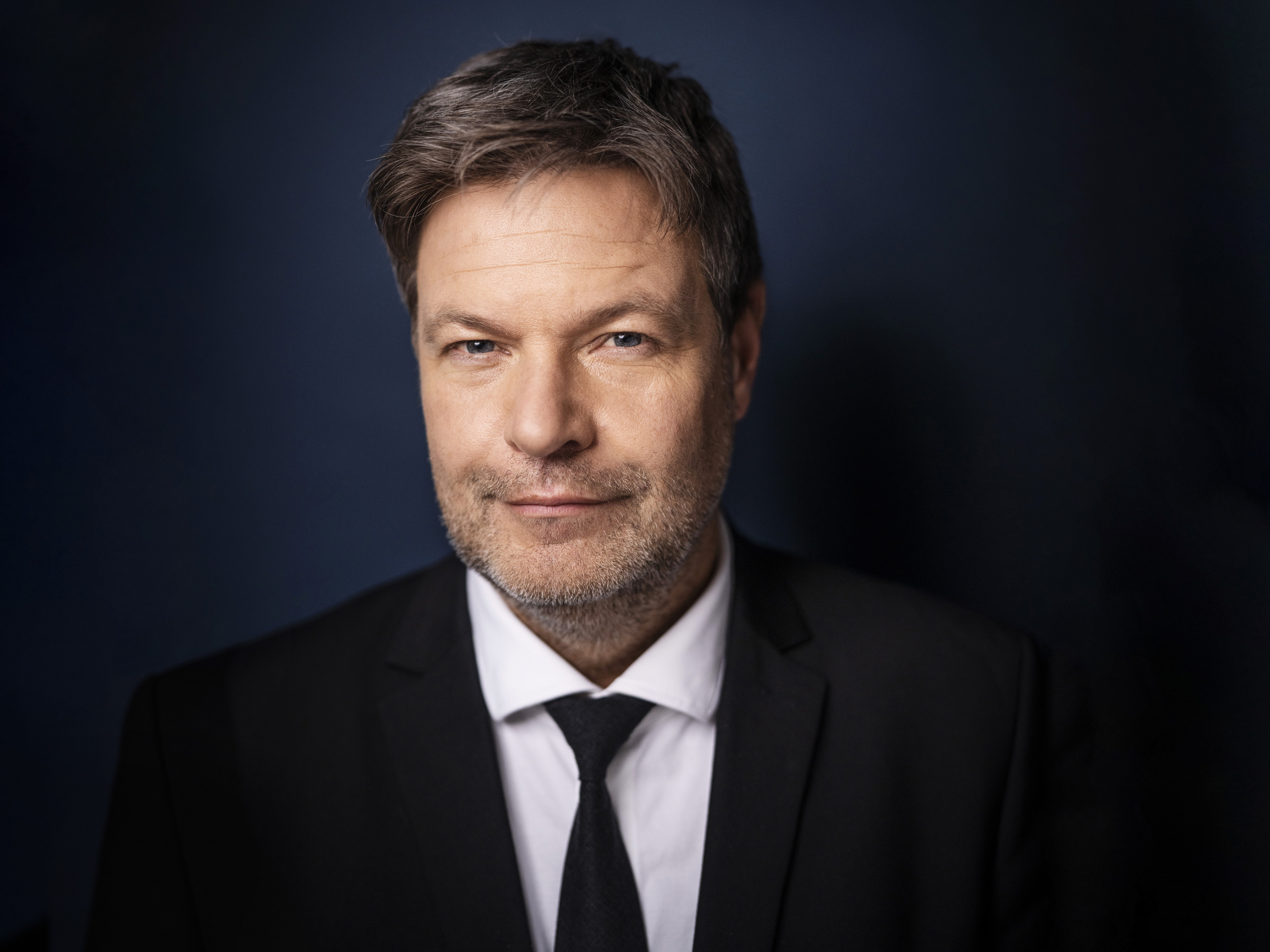
German Vice-Chancellor Robert Habeck becomes patron of EUROPEADA
Entry into Politics: From Ideas to Action
Transitioning from private life to public arena isn’t easy, but robert habeck alice weidel made it look seamless. Habeck joined Alliance 90/The Greens in 2002, drawn by their focus on sustainability. He started locally in Schleswig-Holstein, becoming district chairman and later state chairman. By 2009, he was in the state parliament, rising to deputy minister-president and minister for energy transition in 2012. Weidel entered the fray in 2013 with the Alternative for Germany (AfD), motivated by euroskepticism amid the eurozone crisis. She quickly climbed, joining the federal executive in 2015 and becoming co-leader in 2022.
Their entries reflect Germany’s evolving political scene. Habeck’s path shows grassroots growth, building coalitions for green initiatives. Weidel’s rapid ascent highlights a demand for fresh economic voices. Oh, the irony—two leaders from opposite spectrums invigorating debates that keep democracy alive. It’s a reminder that politics thrives on diverse entries, paving the way for innovative governance.
Rising Through the Ranks: Milestones of Influence
As careers progressed, robert habeck alice weidel hit key milestones that amplified their voices. Habeck served as Schleswig-Holstein’s minister for energy, agriculture, and environment from 2012 to 2018, championing wind energy and digitalization. He co-chaired the Greens nationally from 2018 to 2022, leading them back to government. In 2021, he became vice chancellor and federal minister for economic affairs and climate action, navigating the energy crisis post-Ukraine invasion with poise. Weidel entered the Bundestag in 2017 as AfD’s lead candidate, co-leading the parliamentary group. By 2021, she was a top candidate again, and in 2024, she was named chancellor candidate for 2025, steering AfD to second place with about 20% of votes.
These achievements aren’t just personal wins; they’re beacons of possibility. Habeck’s tenure brought Germany closer to climate goals, while Weidel’s leadership expanded AfD’s reach, especially in the east. In the heat of the moment, their rises show how perseverance turns visions into reality, inspiring a new generation.
Core Beliefs: Environment Meets Economy
At the heart of robert habeck alice weidel’s politics lie their core beliefs, often clashing yet complementary. Habeck, rooted in green ideology, prioritizes climate protection and sustainable economy. He’s pushed for reduced coal use, noting in 2023 it was at 1960s levels, and advocates for digital transformation. Weidel, with her libertarian conservative bent, focuses on fiscal sovereignty, lower taxes, and energy cost reductions. She critiques EU bailouts and globalization, favoring national interests.
Here’s where it gets interesting—their views spark constructive tension. Habeck’s optimism lies in transformation for a greener future, while Weidel’s in reforming systems for efficiency. It’s like two sides of a coin, both aiming for prosperity. By blending these, Germany could find balanced policies that benefit all.
- Habeck’s emphasis on renewable energy has led to innovative projects, like expanding wind farms.
- Weidel’s calls for tax cuts aim to boost small businesses, fostering economic growth.
- Both recognize the need for adaptation in a globalized world, though from different angles.
Stances on Immigration and Europe
Immigration and EU policies divide robert habeck alice weidel sharply, yet their debates enrich understanding. Habeck supports humane integration, viewing diversity as a strength for innovation. He’s backed policies for skilled migration to bolster the workforce amid demographic shifts. Weidel, conversely, advocates strict borders and mass deportations, arguing for protecting German culture and resources. She’s critical of the EU, pushing for reforms or even a “Dexit” in extreme views.
Despite differences, there’s optimism in dialogue. Habeck’s approach promotes unity, while Weidel’s highlights sovereignty. In recent elections, these stances mobilized voters, showing politics as a marketplace of ideas. Who knows? Future collaborations could bridge gaps, leading to smarter policies.
| Aspect | Robert Habeck’s View | Alice Weidel’s View |
|---|---|---|
| Immigration | Emphasizes integration and skilled workers for economic boost | Calls for closed borders and deportations to preserve national identity |
| EU Role | Supports stronger, greener EU for collective progress | Critiques overreach, favors national control and reforms |
| Outcome Potential | Fosters inclusive growth | Strengthens domestic focus |
Public Debates: Clashes That Inspire
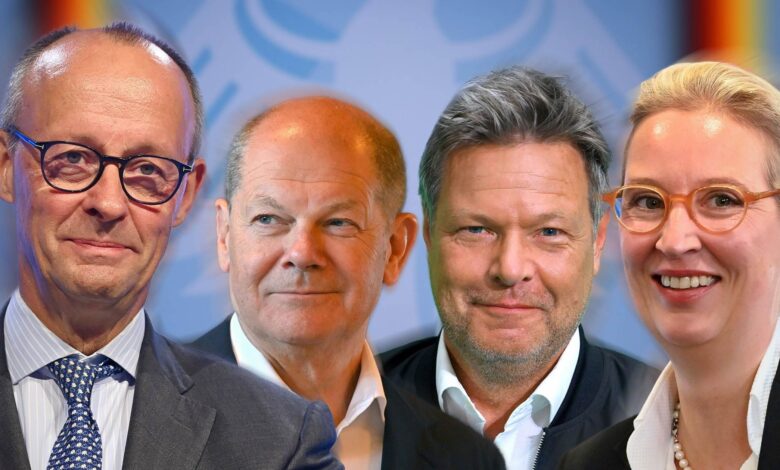
Nothing showcases robert habeck alice weidel like their debates, especially in the 2025 election cycle. In the historic “quadrell” with Olaf Scholz and Friedrich Merz, they sparred on economy, Ukraine, and migration. Habeck defended green transitions, while Weidel pushed anti-immigrant policies. Exchanges were heated—Weidel accused mainstream parties of failures, Habeck countered with facts on coal reduction.
These moments aren’t just drama; they’re catalysts for change. In one debate, Habeck shook his head at Weidel’s claims, leading to a lively rebuttal. Yet, the optimistic side? Such interactions educate voters, refining ideas. It’s democracy in action, where even rivals propel forward momentum.
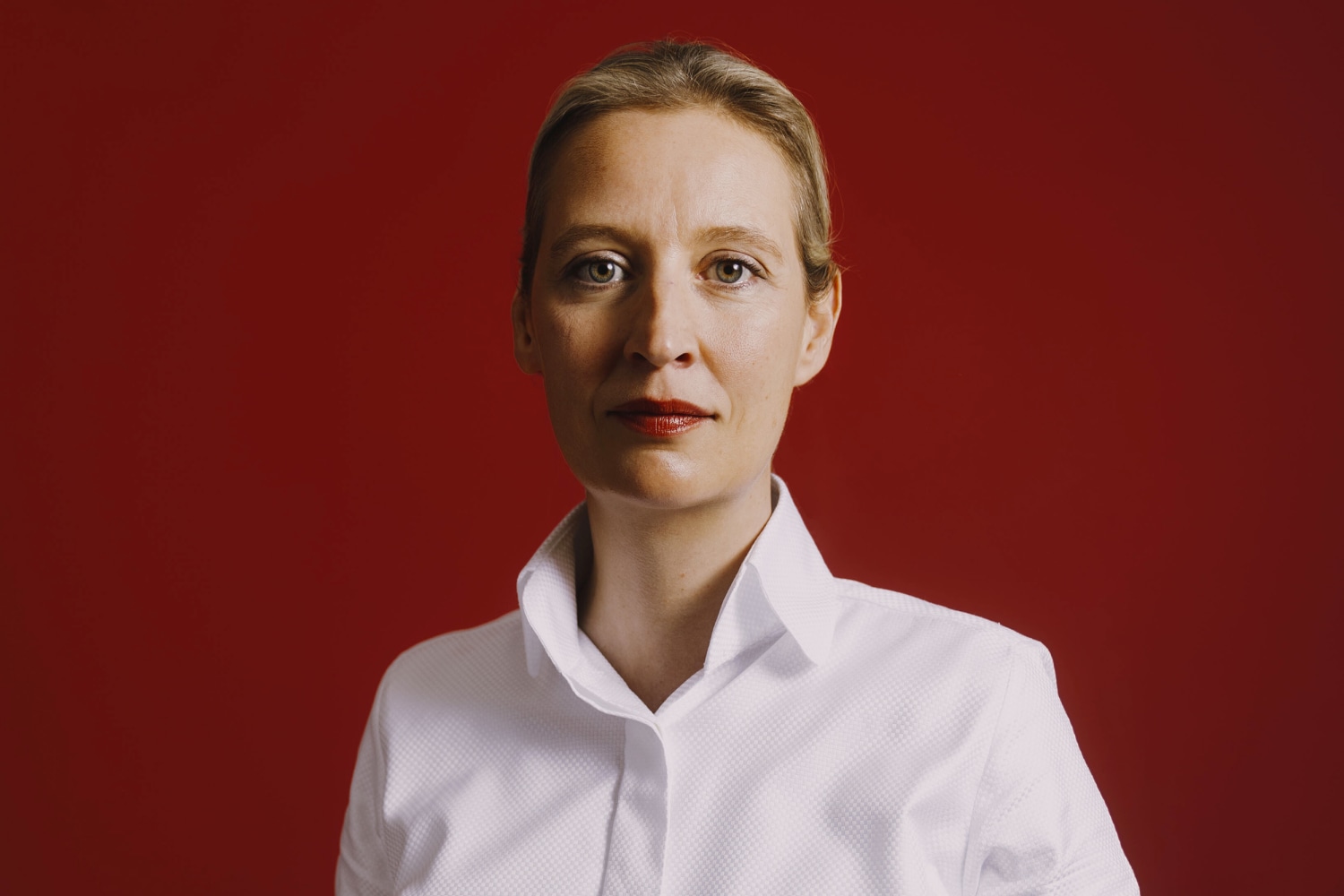
Alice Weidel doesn’t fit the profile of a far-right politician. The German AfD is willing to look past it.
Societal Impact: Legacy in the Making
The influence of robert habeck alice weidel extends beyond politics into society. Habeck’s work has advanced climate awareness, inspiring youth movements and policies that cut emissions. His books, like those on transformation, add cultural depth. Weidel’s rise has amplified discussions on economic sovereignty, appealing to those feeling left behind, especially in eastern Germany. Her visibility as an openly gay leader in a conservative party challenges stereotypes.
Together, they represent progress. Habeck’s empathy builds bridges, Weidel’s assertiveness demands accountability. In a nutshell, their impacts create a more engaged populace, ready to tackle tomorrow’s challenges with hope.
Future Horizons: What Lies Ahead
Looking forward, robert habeck alice weidel hold keys to Germany’s next chapter. Habeck, post-2025, may focus on writing or international roles, leveraging his experience for global climate efforts. Weidel, as opposition leader, could shape policies from the Bundestag, pushing AfD’s agenda while navigating controversies.
The beauty is in potential alliances or evolutions. Perhaps their ideas converge on economic resilience. It’s an exciting time—Germany’s future looks brighter with such dedicated figures at the helm.
Fazit
In wrapping up, robert habeck alice weidel exemplify the best of German politics: diverse, dedicated, and forward-thinking. Their journeys from humble starts to national stages inspire us all. While differences exist, their shared commitment to improvement fosters optimism. As Germany navigates changes, these leaders remind us that progress comes from dialogue and determination. Truly, robert habeck alice weidel are architects of a promising tomorrow.
FAQs
Who is Robert Habeck?
Robert Habeck is a former German vice chancellor and Green Party leader, known for his work on climate and economy from 2021 to 2025.
What is Alice Weidel’s background?
Alice Weidel is the co-leader of the AfD, with a career in finance including stints at Goldman Sachs and the Bank of China, and she’s openly gay with a family.
How do their political views differ?
Habeck focuses on sustainable development and EU cooperation, while Weidel emphasizes national sovereignty, lower taxes, and strict immigration controls.
Have they debated each other?
Yes, notably in the 2025 election debates where they clashed on economy, migration, and Ukraine, highlighting contrasting visions.
What impact have they had on Germany?
Habeck advanced green policies, reducing coal use, and Weidel expanded AfD’s influence, sparking broader discussions on economic and cultural issues.