
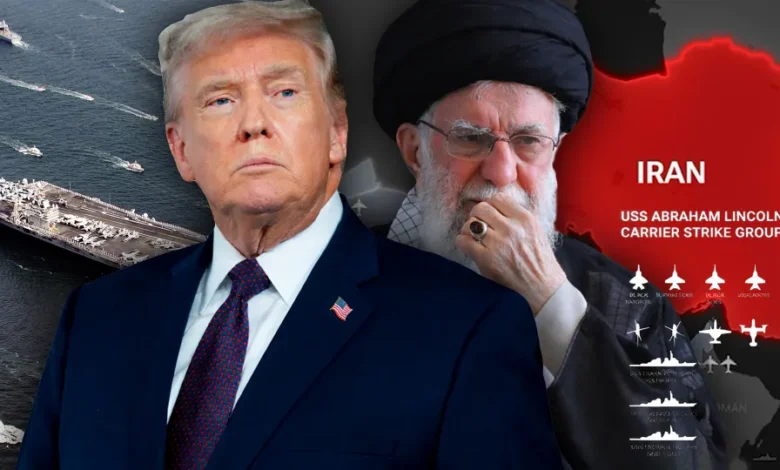
The story of usa iran relations is one that’s filled with twists and turns, much like a winding road through the mountains. From early alliances to periods of deep mistrust, these two nations have shaped each other’s histories in profound ways. Yet, as we look ahead, there’s a glimmer of hope on the horizon. With ongoing diplomatic talks in places like Oman and Qatar, the potential for renewed understanding and cooperation shines through. This article delves into the rich tapestry of usa iran ties, highlighting key moments, current dynamics, and optimistic paths forward. After all, even the stormiest seas can lead to calmer waters if navigated wisely.
Historical Foundations of USA Iran Ties
Let’s step back in time, shall we? The roots of usa iran relations stretch far beyond recent headlines, planting seeds in the mid-20th century. Back then, Iran—known as Persia until 1935—was emerging as a key player in global affairs. The United States saw potential in this ancient land, rich in culture and resources. By the 1940s, during World War II, Iran became a strategic hub for Allied forces, hosting the famous Tehran Conference in 1943 where leaders like Franklin D. Roosevelt discussed wartime strategies.

This gathering, held right in Tehran’s heart, symbolized early cooperation. Fast forward to the post-war era, and the U.S. began providing technical aid, helping modernize Iran’s infrastructure. It’s fascinating how these initial steps laid the groundwork for what would become a multifaceted relationship. Of course, not everything was smooth sailing; economic interests, particularly oil, often steered the ship. Iran’s nationalization of its oil industry in 1951 under Prime Minister Mohammed Mosaddegh sparked tensions, leading to the 1953 coup backed by the U.S. and U.K. This event, while controversial, underscored the intertwined fates of usa iran, setting the stage for decades of interaction.
Key Turning Points in USA Iran History
Ah, the pivotal moments—these are the chapters that keep historians up at night. One can’t discuss usa iran without mentioning the 1979 Iranian Revolution. What started as widespread protests against the Shah’s regime culminated in the establishment of the Islamic Republic under Ayatollah Khomeini. The revolution wasn’t just a domestic shake-up; it sent shockwaves across the globe, especially when Iranian students seized the U.S. Embassy in Tehran, holding 52 Americans hostage for 444 days. That crisis tested diplomatic resolve, leading to severed formal ties in 1980.
But wait, there’s more. The 1980s brought the Iran-Iraq War, where the U.S. tilted toward Iraq, providing intelligence and arms. Yet, in a twist of irony, the Iran-Contra Affair revealed secret U.S. arms sales to Iran to fund Nicaraguan rebels. Talk about a tangled web! Moving into the 1990s and 2000s, nuclear ambitions took center stage. Iran’s nuclear program, initially aided by U.S. technology in the 1950s under the Atoms for Peace initiative, became a flashpoint. Accusations of weapons development led to U.N. sanctions, but diplomacy flickered with the 2015 Joint Comprehensive Plan of Action (JCPOA), easing tensions temporarily.
- The 1953 coup: Restored the Shah but sowed seeds of resentment.
- 1979 Revolution: Marked a ideological shift, emphasizing independence.
- Hostage Crisis: A low point that strained trust for years.
- Iran-Iraq War: Highlighted geopolitical maneuvering.
- JCPOA: A beacon of multilateral success, albeit short-lived.
These events, while challenging, demonstrate resilience. Each hurdle has pushed both sides toward reflection, paving the way for future dialogues.
The Nuclear Dilemma in USA Iran Relations
Now, let’s zero in on the elephant in the room: nuclear issues. For years, usa iran’s nuclear program has been a hot-button topic, stirring debates in boardrooms and living rooms alike. Iran insists its pursuits are for peaceful energy, while concerns from the U.S. and allies focus on potential weaponization. The JCPOA, signed under President Obama, curbed Iran’s enrichment in exchange for sanctions relief—a win-win that showed diplomacy’s power.
However, in 2018, President Trump withdrew, reimposing “maximum pressure” sanctions. This move escalated matters, with Iran enriching uranium beyond agreed limits. Fast forward to 2026, and we’re seeing fresh talks. Indirect negotiations in Oman, mediated by regional players, aim to revive or replace the deal. Iranian Foreign Minister Abbas Araghchi has called these a “good beginning,” focusing on mistrust but hinting at progress. President Trump, while firm, expresses preference for a deal, warning of consequences but leaving room for optimism.
Imagine the possibilities: A new accord could stabilize the region, boost economies, and foster scientific collaborations. It’s not pie in the sky; history shows breakthroughs happen when least expected.
Economic Interplay Between USA Iran
Money talks, doesn’t it? In usa iran dynamics, economics play a starring role. Iran’s vast oil reserves make it a heavyweight in global energy markets. Pre-revolution, U.S. companies thrived in Iran’s oil sector, but sanctions post-1979 changed the game. Today, U.S. penalties target Iran’s exports, aiming to curb funding for what Washington sees as destabilizing activities.
Yet, there’s an upside. Eased sanctions under JCPOA briefly spiked trade, showing potential. In 2026, with oil prices fluctuating amid tensions, a diplomatic thaw could unlock billions in investments. Think about joint ventures in renewable energy—Iran’s sunny landscapes are perfect for solar tech, and U.S. expertise could accelerate that.
Here’s a quick table outlining key economic impacts:
| Aspect | USA Perspective | Iran Perspective | Potential for Cooperation |
|---|---|---|---|
| Oil Trade | Sanctions limit imports, affecting global prices | Revenue loss hampers development | Joint management of reserves for stability |
| Sanctions | Tool to influence policy | Seen as economic warfare | Phased relief for mutual benefits |
| Investments | Restricted, focusing on allies | Seeks foreign capital for growth | Tech transfers in non-sensitive areas |
| Currency | Dollar dominance pressures rial | Diversifies to yuan, euro | Stabilized exchanges post-deal |
This interplay isn’t just about dollars and cents; it’s about building bridges that benefit everyday people.
Cultural and People-to-People Connections in USA Iran
Beyond politics, usa iran shares a vibrant cultural thread. Iranian Americans enrich U.S. society, from filmmakers like Asghar Farhadi to scientists contributing to breakthroughs. Persian poetry, cuisine like kebabs and saffron rice, and festivals have woven into American life.
Conversely, American pop culture—think Hollywood movies and jazz—finds fans in Iran. Despite restrictions, underground scenes thrive. Educational exchanges, though limited, offer hope. Programs like Fulbright have connected scholars, fostering understanding.
Optimistically, imagine expanded student visas and cultural festivals. These soft power elements can melt away misconceptions, proving that at heart, people from both nations share dreams of peace and prosperity.
Current Challenges Facing USA Iran
No relationship is without its bumps in the road. In 2026, usa iran faces hurdles like ballistic missiles and regional influence. Iran’s missile program, vital for defense in Tehran’s view, alarms the U.S. due to range capabilities. Proxy conflicts in places like Yemen and Syria add fuel to the fire.
Recent events, including U.S. strikes on Iranian assets in 2025, heightened alert levels. President Trump’s warnings of “traumatic” outcomes if no deal materializes underscore the stakes. Yet, Iran’s diplomatic outreach to Russia, Oman, and Qatar shows willingness to engage.
These challenges, daunting as they are, aren’t insurmountable. With mediators like Oman stepping in, de-escalation feels within reach.
Diplomatic Efforts Shaping USA Iran Future
Here’s where optimism really kicks in. Diplomacy, that age-old art, is alive and well in usa iran affairs. The 2026 talks in Oman and follow-ups in Qatar represent a fresh chapter. Iranian officials like Ali Larijani engaging with regional leaders signal intent to avoid conflict.
The U.S., under Trump, balances firmness with openness. Reports of proposals on uranium enrichment and missile limits suggest progress. International players—Russia offering to store enriched uranium, Europe urging restraint—bolster these efforts.
Transitional phrases aside, it’s clear: Sustained dialogue can turn adversaries into partners. After all, history’s greatest rivals have forged alliances when mutual interests align.
Role of International Community in USA Iran Affairs
The world isn’t a bystander in usa iran matters. The U.N., EU, and neighbors like Saudi Arabia play crucial roles. U.N. sanctions, reimposed in 2025, pressure Iran but also open doors for negotiation.
Saudi-Iran rapprochement in recent years eases regional tensions, indirectly aiding U.S.-Iran talks. China’s economic ties with Iran add another layer, potentially mediating.
Globally, a stable usa iran relationship benefits all—lower oil volatility, reduced migration pressures, enhanced security. It’s a collective win if optimism prevails.
Prospects for Peace and Cooperation in USA Iran
Looking ahead, the future brims with potential. A successful nuclear deal could cascade into broader cooperation: Joint anti-terrorism efforts, environmental initiatives tackling climate change in the arid Middle East, even space exploration collaborations.

Visualize flags waving together in unity, as concepts of peace illustrate. Cultural festivals, trade expos, and academic partnerships could flourish. Young generations, connected via social media, already bridge gaps. In essence, usa iran stands at a crossroads where choosing dialogue over discord promises a brighter tomorrow.
Fazit
In wrapping up this exploration of usa iran, it’s evident that while shadows of the past linger, rays of hope pierce through. From historical alliances to current diplomatic strides, the narrative isn’t one of perpetual conflict but of evolving partnership. By embracing mutual respect and shared goals, usa iran can chart a course toward lasting peace. Let’s hold onto that optimism—after all, tomorrow’s alliances are built on today’s conversations.
FAQs
What is the current status of nuclear talks between USA and Iran? As of February 2026, indirect talks mediated by Oman and Qatar are ongoing, focusing on uranium enrichment and ballistic missiles, with both sides expressing cautious optimism for a deal.
Why did the USA withdraw from the JCPOA in 2018? The withdrawal aimed to apply “maximum pressure” to negotiate a broader agreement addressing not just nuclear issues but also missiles and regional activities.
How have sanctions impacted Iran’s economy? Sanctions have reduced oil exports and foreign investment, leading to inflation and hardship, but they’ve also spurred domestic innovation in sectors like technology.
What role does culture play in improving USA Iran relations? Cultural exchanges, through art, food, and education, humanize the “other,” fostering grassroots understanding that can influence policy.
Could USA Iran ever restore full diplomatic ties? Yes, with sustained diplomacy and trust-building, restoring ties is possible, potentially leading to embassies reopening and enhanced cooperation.
